Never Stop Learning: Macro Photography with the SIGMA fp and a Field Monitor
Mark James Ford · written for the SIGMA Blog, May 2020
Deutsche Fassung (SIGMA Blog, Juli 2020): Man hört nie auf zu lernen
No serious videographer would consider working without certain key tools: A gimbal to stabilize the camera; A field monitor to check composition, focus and exposure; an external microphone, to name the more obvious examples. One of the nice things about the fp that is very much appreciated, is that because of its small size, building a “video rig” around the camera is very straight forward. I am not a videographer … but the point about the field monitor began to tweak my interest …


How many times have I got back from a macro shooting session to find that, however carefully I tried to control the composition in the camera, it wasn’t quite right? Perhaps something in the foreground or background, an out of focus blade of grass for example, has more of an impact on the image than I perceived in-camera. Perhaps, the focus point and depth were not quite that, which retrospectively, I wanted or needed. How many times have I tried to press my face into the mud or into thorny, ant-infested ground to try and get the right, barely visible, scene in the viewfinder? What if there was a much better way to judge these things in the field? What if there was an easier way to do this?
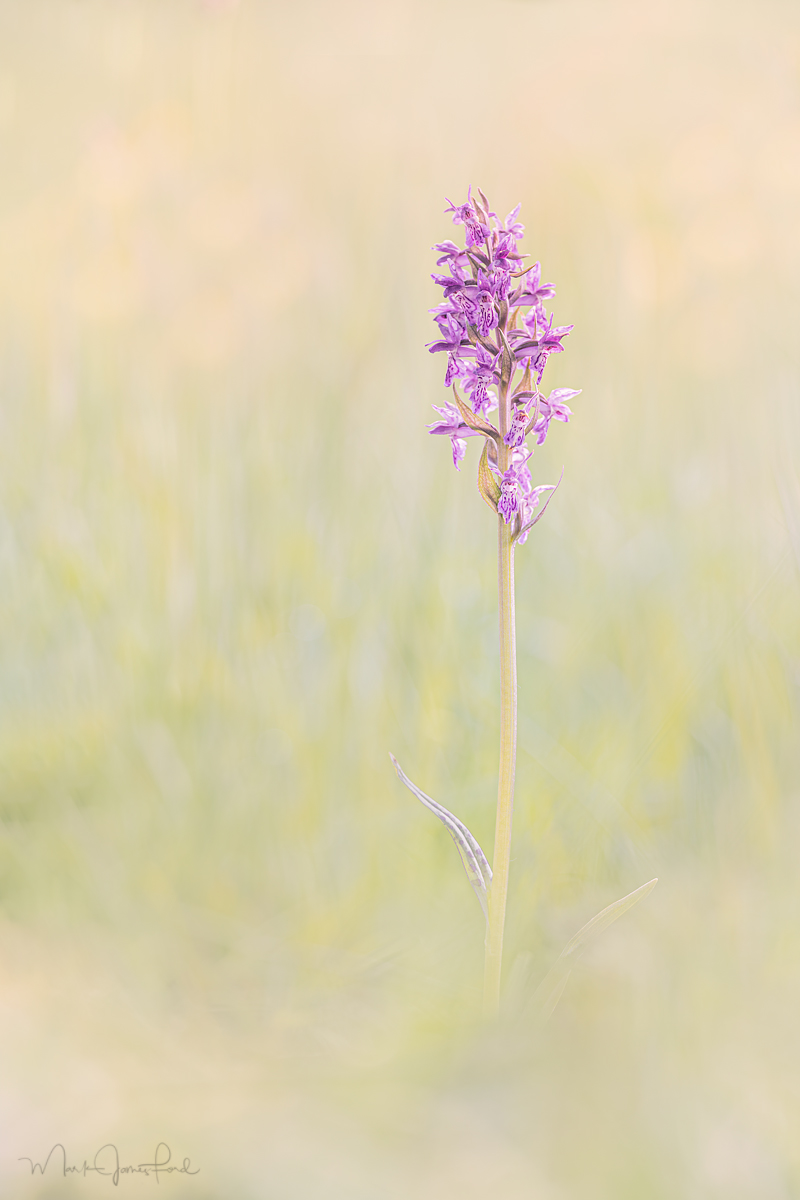
Of course there is, and, using the SIGMA fp made me realize that I should learn a lesson from the videographers.
For video work, SIGMA actually recommends the Blackmagic field monitors as a video accessory, which, when you look at their technical specification one can very much appreciate. Nevertheless, such a specification comes at a price and I reasoned, rightly or wrongly, that for stills photography this may be a bit of an overkill and looked for a cheaper solution. Of the many available the Feelworld FW279S 7” Daylight Viewable Field Monitor looked to fit the bill. Specifically, a screen brightness of up to 2200 nit was for me the deciding factor since this would mean that even in the strongest light it would still be usable. Much of my macro photography is however done in the early morning or evening where the light is much more subdued, so I figured I was definitely working on the safe side.
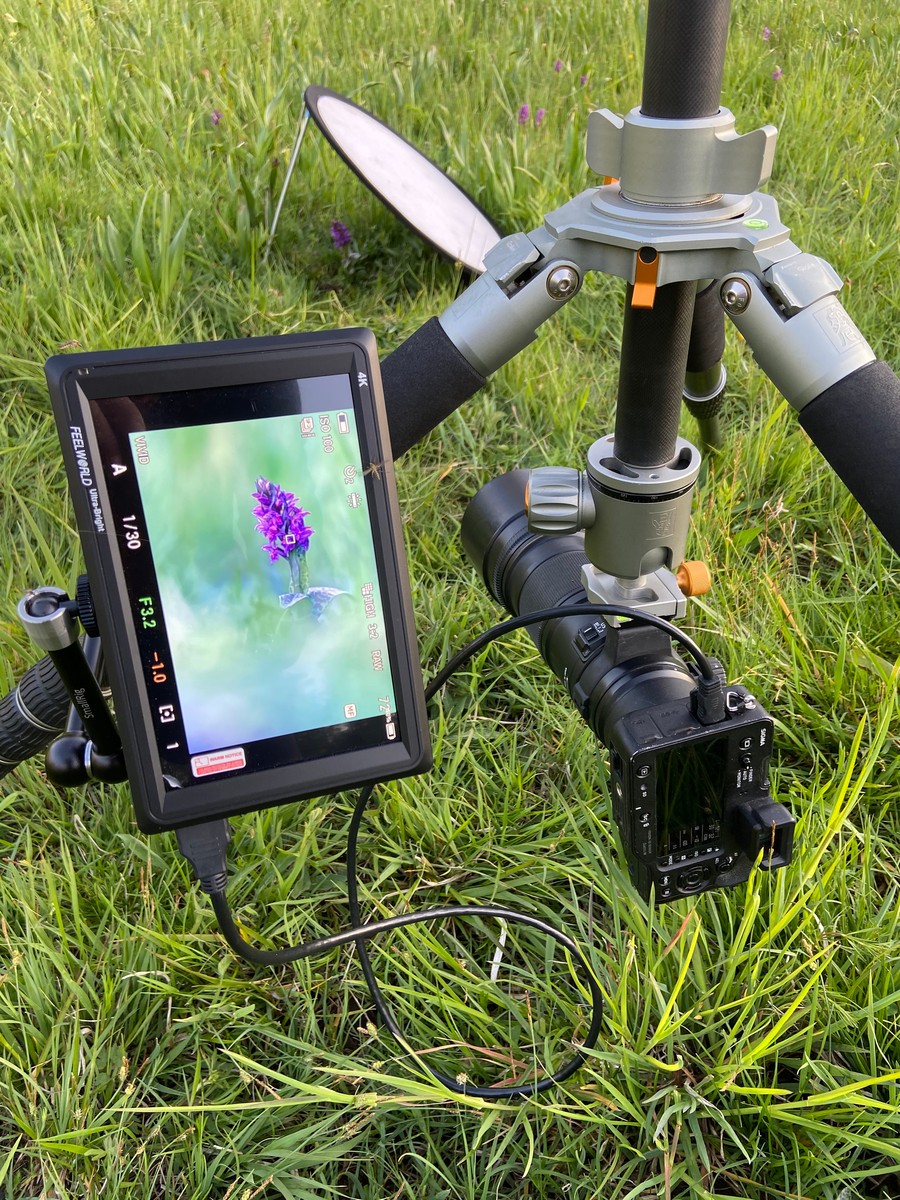
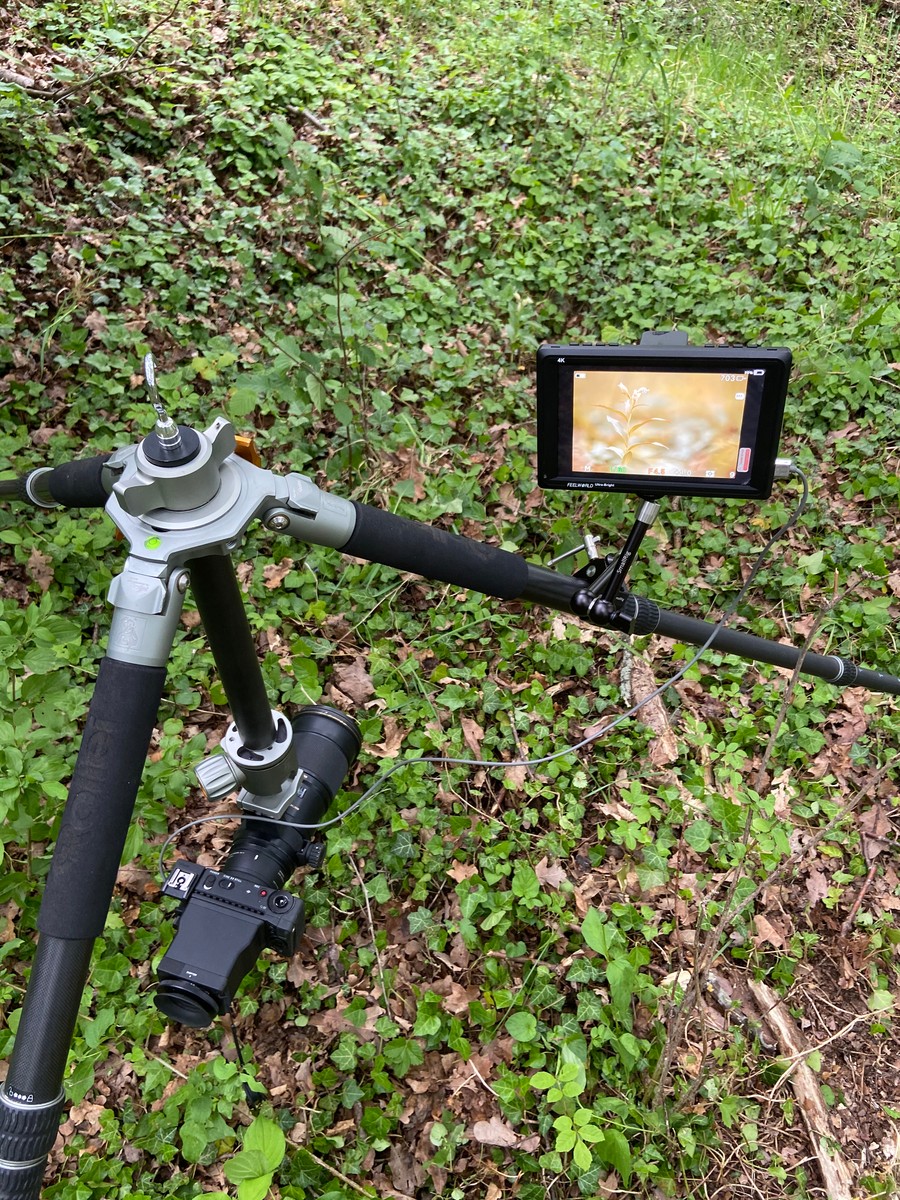
I always work from an inverted tripod for my macro photography, so I attached the monitor to the tripod via a SMALLRIG DSLR Rig Rod Clamp and 10” Magic Arm both of which are quite cheap, but many alternatives to suit taste and pocket are possible. A Blumax F970 battery completes the set up for the monitor. The total set up, being quite flat takes up hardly any space in my camera bag.
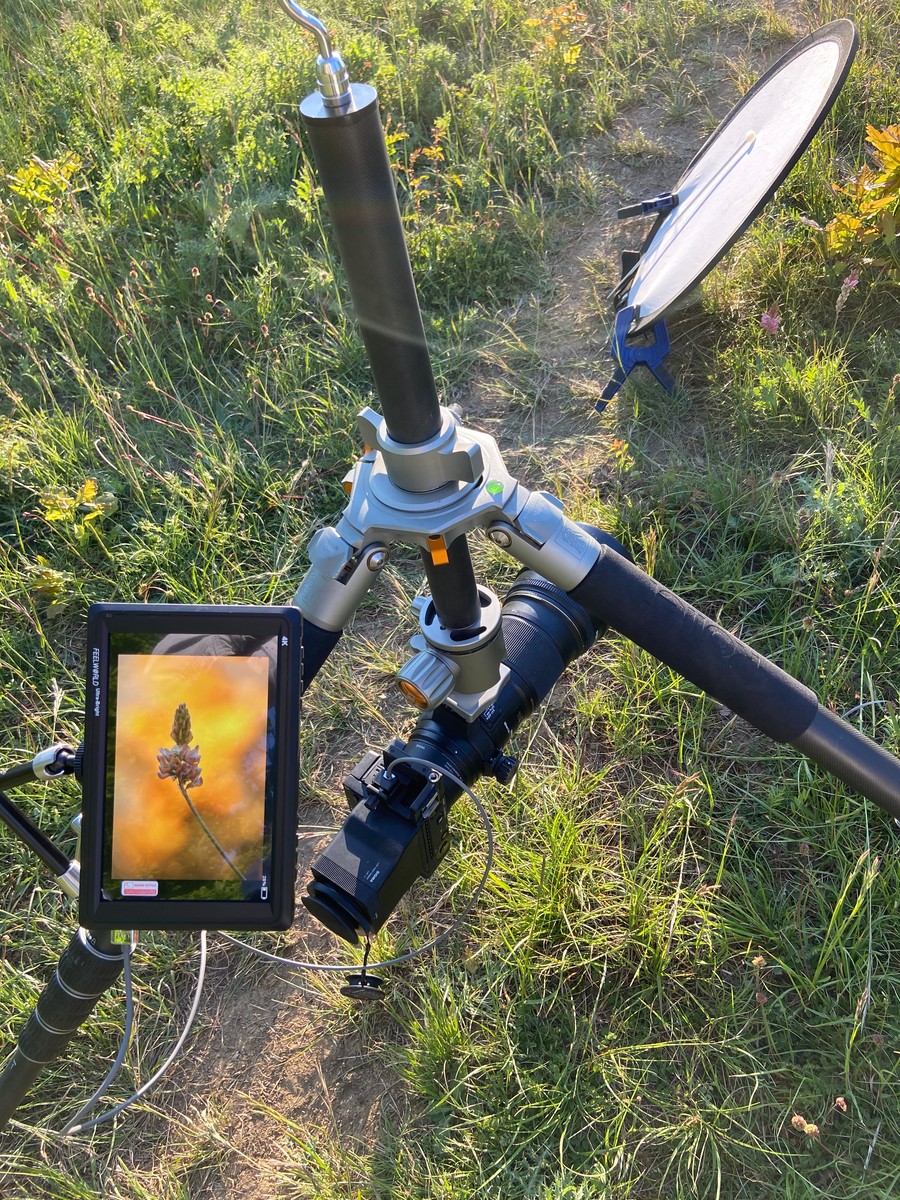
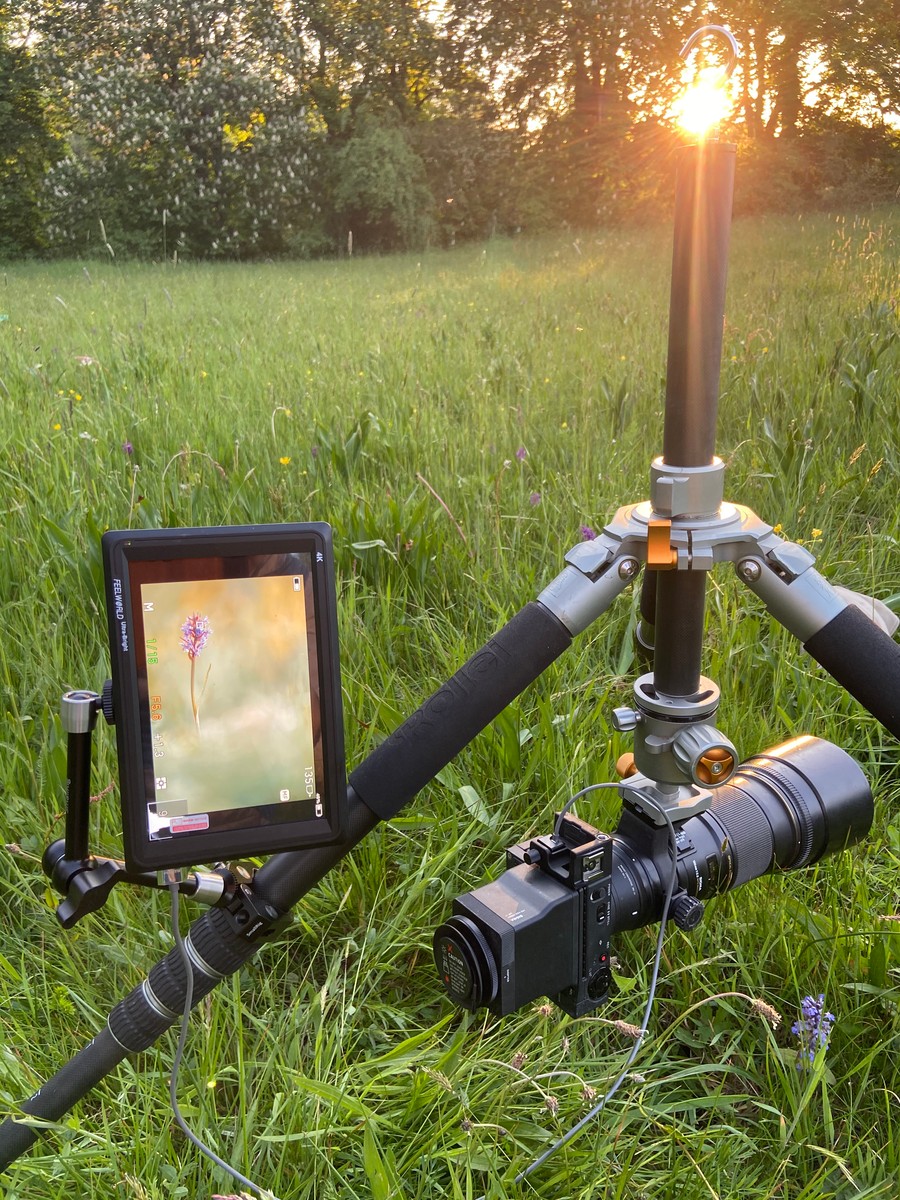
Attaching the field monitor to the camera is simple: A HDMI cable with a HDMI Type-D head slots into the side of the fp. The SIGMA sd Quattro H, which I also explored needs a HDMI Type-C cable. In both cases the cable simply plugs into the side of the camera, though, in the case of the fp, one can use the supplied flash hot shoe extension to further secure the attachment of the cable, whilst the camera is rotated via the lens sleeve for example. And that is it: Attach the cable to monitor and camera, turn both on, and “hey presto”, a live view of the scene appears on a wonderfully bright 7” screen. And within about 10 seconds I realized I am never going to work without one again … In the case of the SIGMA fp this is a very nice and crisp HD output (for the sd Quattro H an SD output), which, based on a menu choice in camera, can be completely free of information or can be overlaid with all the usual information about camera settings and focus point. An interesting aspect, though not one I originally thought about is that, because such monitors are intended for video use, they can come with their own focus peaking and exposure warning overlay so that one doesn’t have to rely on this output from the camera. Even the SD output of the sd Quattro H was more than adequate to judge focus and composition – wonderful …


Two evening sessions in muddy and wet orchid meadows demonstrated admirably what a real bonus this would be to how I work. The camera could be moved, rotated and positioned however I wished without recourse to needing to see through the viewfinder or look closely at the rear screen. The monitor position itself could be readily adjusted to suit my desired viewing angle. Now I could really see that everything in the composition was just as I wanted and this from a very comfortable sitting/kneeling or even standing position – I was impressed. And that is a further point to remember, since I was not lain sprawled out across the ground, I was not just considerably drier, but I was making less impact on the meadow itself. As an additional bonus, after these two sessions in the field with the monitor running constantly, the battery in the monitor still has not needed to be recharged …
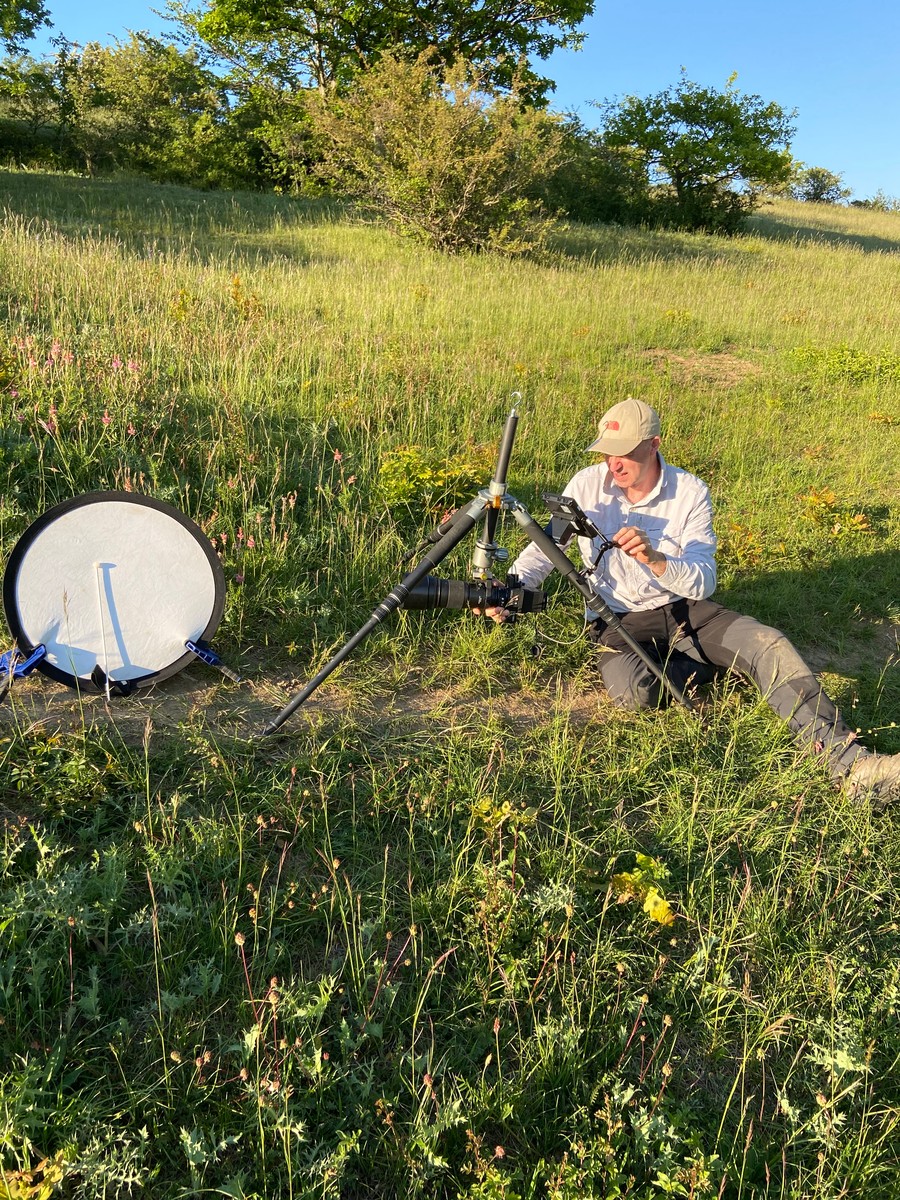
And the results now that I have processed the images, yes, I am quite pleased with them … but the point is, I knew already in the field, that I would be …


Never stop learning …
Equipment used:
- SIGMA fp
- SIGMA sd Quattro H
- SIGMA 180mm APO F2.8 EX DG OS HSM Macro
- ROLLEI Lion Rock 30 Carbon II Tripod and Head
- SMALLRIG DSLR Clamp and 10” Magic Arm
- FEELWORLD FW279S Field Monitor
- BLUMAX F970 Battery
- HDMI Cable
The author’s English text. This article appeared in German in July 2020 on the SIGMA Blog (blog.sigma-foto.de), which no longer exists in that form. This is Mark James Ford’s English text of 19 May 2020, with the article’s pictures, put on this site in October 2026; the German version as published may differ in wording.